
Years 5–6 maths resources by topic
Pick the topic you're teaching. Each one has lessons, games and worksheets for Stage 3, with teacher slides, student booklets and answers, so you can teach it tomorrow.
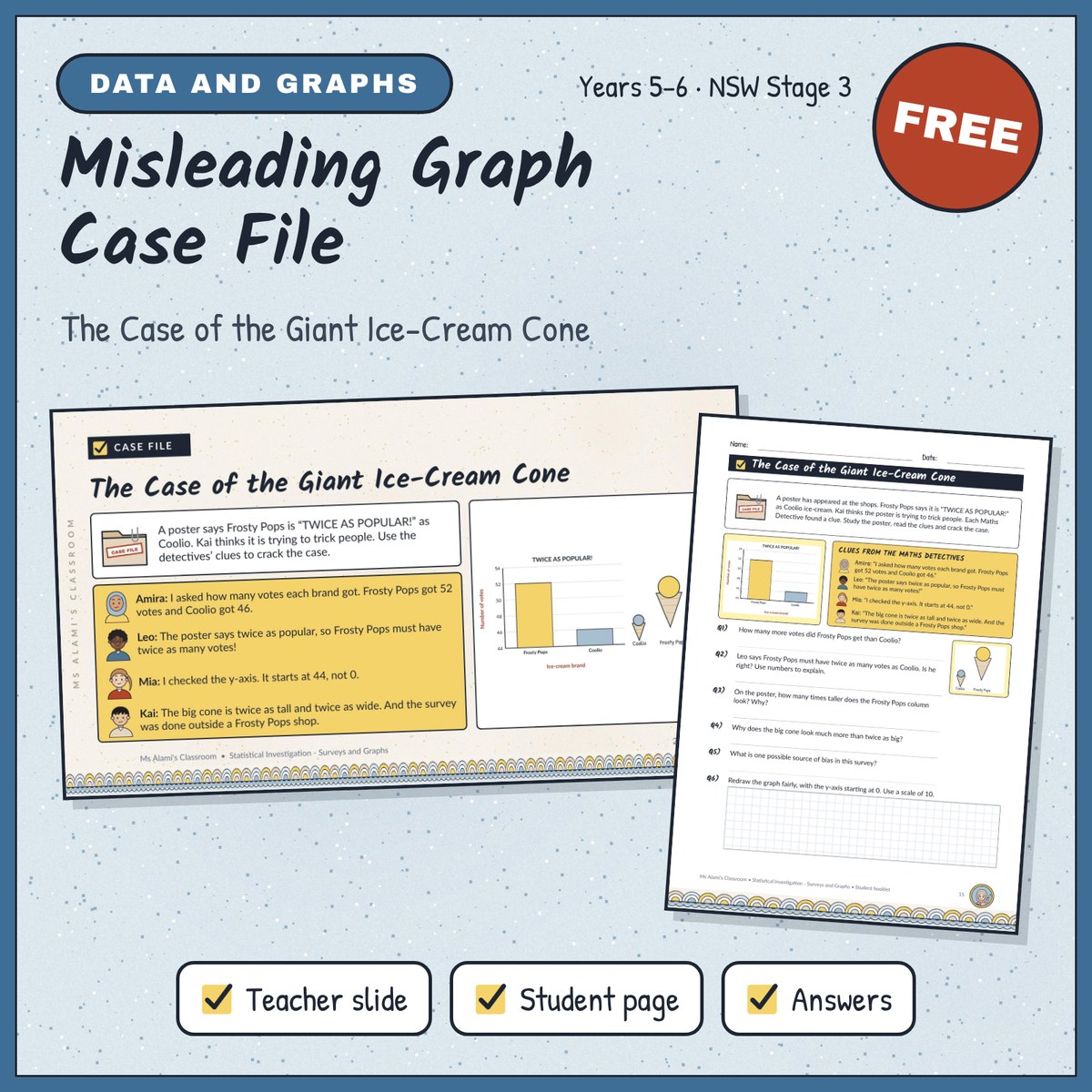
- MathsData and GraphsMA3-DATA-01MA3-DATA-026 resourcesSurveys, column and line graphs, spreadsheets
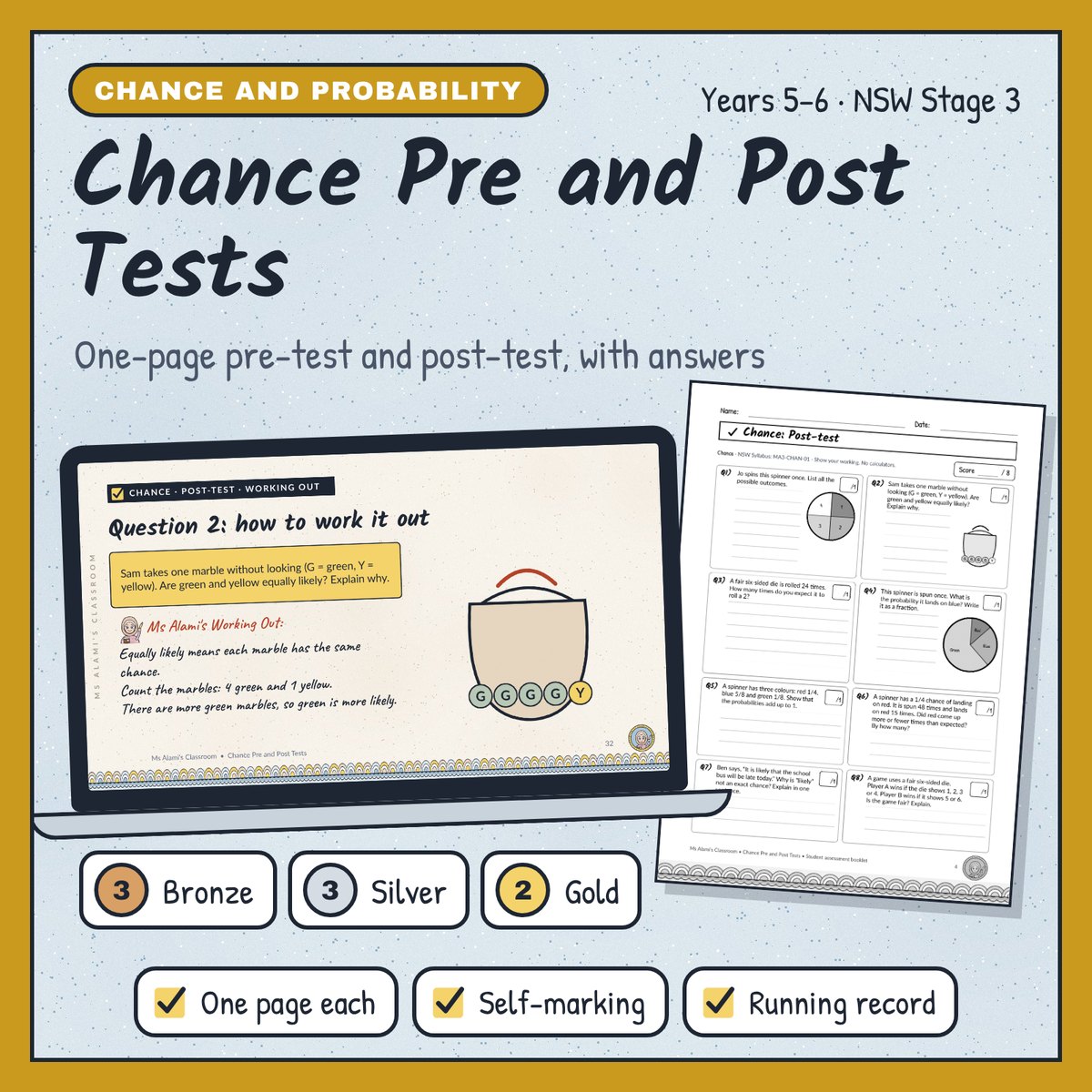
- MathsChance and ProbabilityMA3-CHAN-015 resourcesThe chance scale, experiments and spinner games
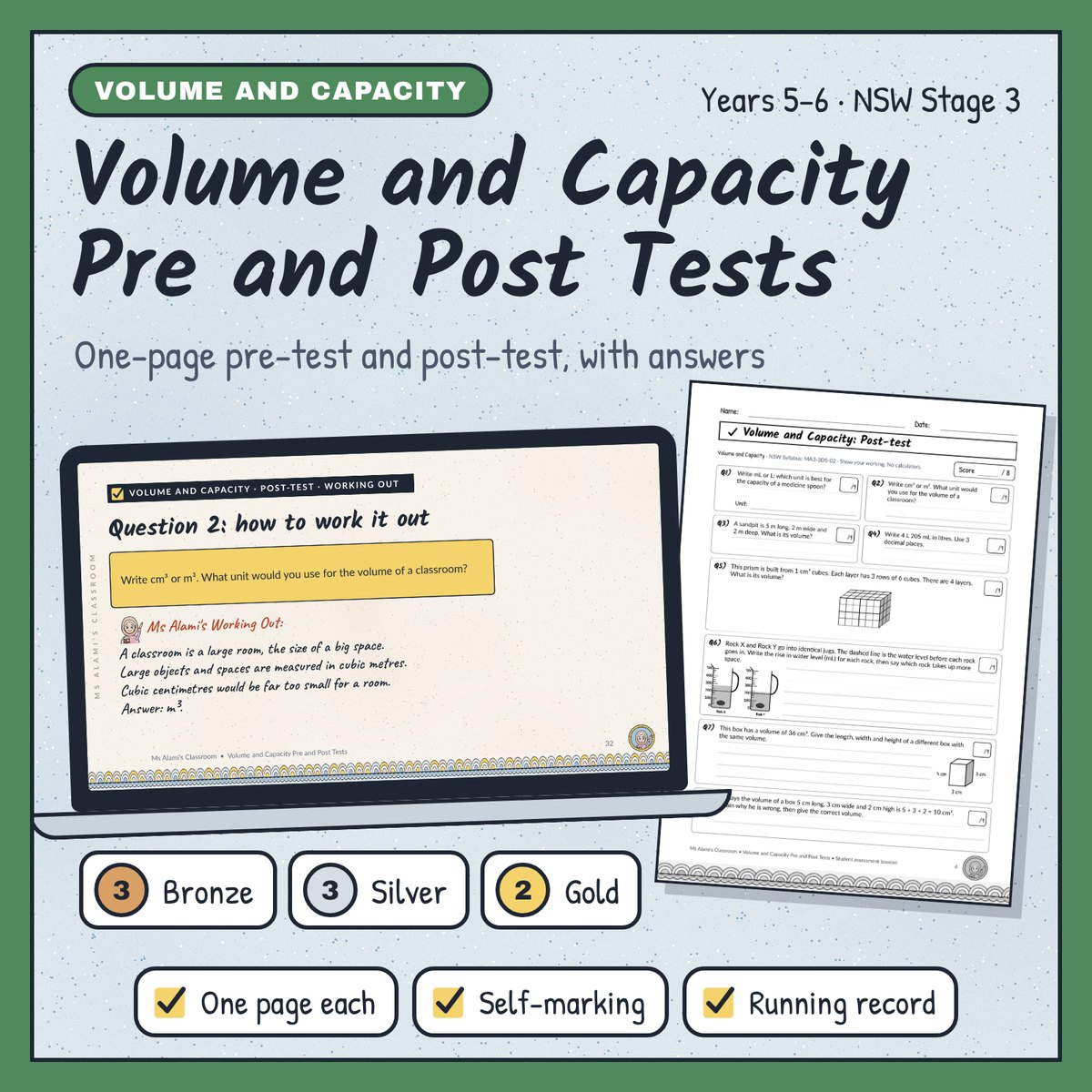
- MathsVolume and CapacityMA3-3DS-025 resourcesPrisms, cubic units, litres and millilitres
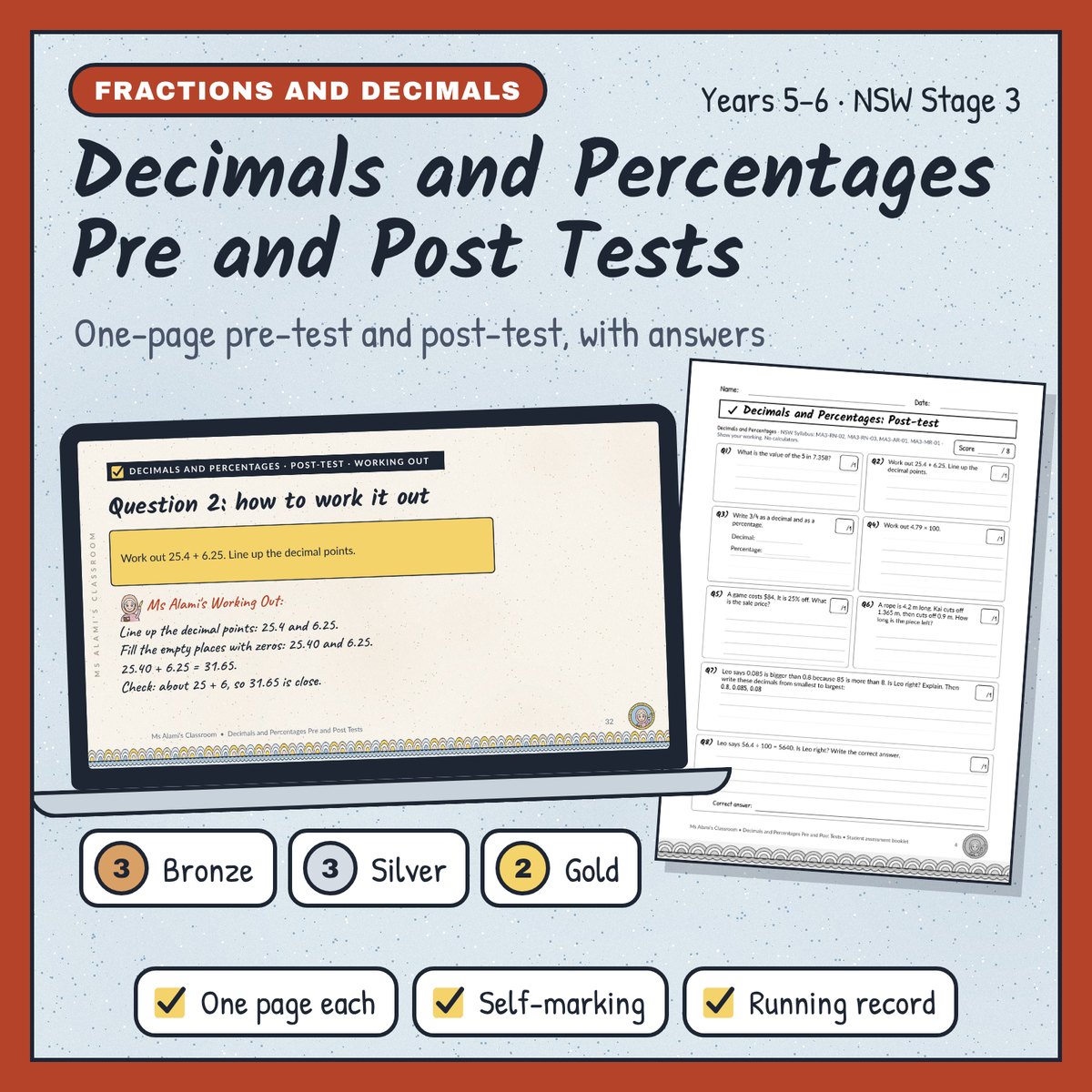
- MathsFractions and DecimalsMA3-RQF-01MA3-RQF-02MA3-RN-0216 resourcesFractions, decimals to thousandths, percentages
- MathsMoney and BudgetingMA3-AR-01MA3-MR-014 resourcesBudgets, best buys and saving goals
- MathsMeasurementMA3-NSM-01MA3-NSM-0222 resourcesMass, 24-hour time and elapsed time
- MathsNumber and AlgebraMA3-RN-01MA3-AR-01MA3-MR-0138 resourcesPlace value, the four operations and negative numbers
- MathsShapes and AnglesMA3-2DS-01MA3-GM-01MA3-GM-0311 resourcesTriangles, measuring angles, slides, flips and turns
- MathsAssessmentsAll 21 MA3 outcomes1 resourceOne-page pre and post tests for every maths topic
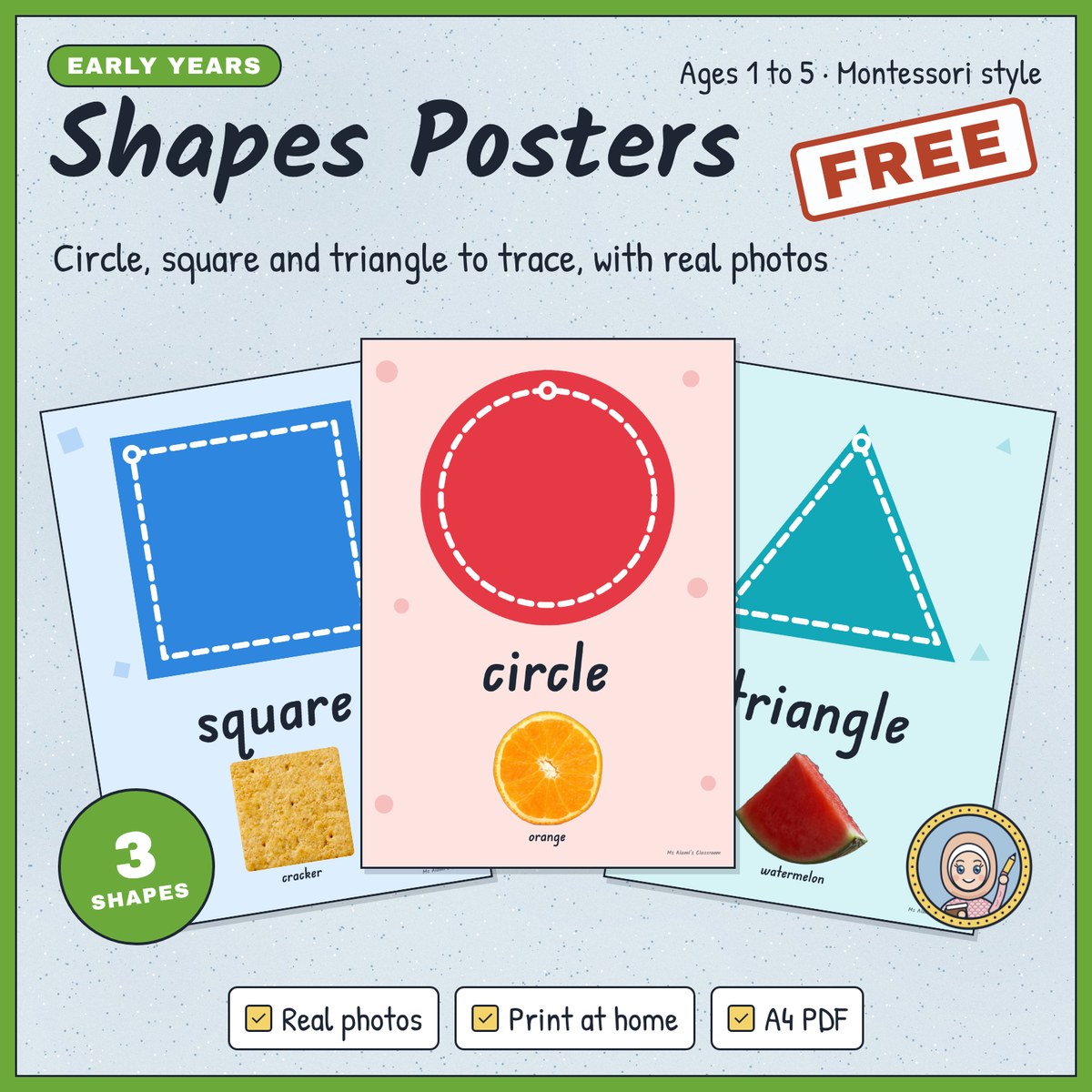
- Early learningEarly YearsAges 1 to 511 resourcesReal-photo posters for space, colours, counting, shapes and letters
Find resources for the problem you’re solving
- Data and graphs activities for Years 5–6
Students can read a column graph, but choosing the right graph, running a fair survey and building a graph in a spreadsheet is where Year 5 and 6 classes get stuck.
- Chance and probability activities for Years 5–6
Probability gets abstract fast. Students guess instead of reasoning, and mix up what should happen with what actually happened in an experiment.
- Volume and capacity activities for Years 5–6
Students mix up volume and capacity, count cubes one by one instead of using length × width × height, and forget how cubic centimetres connect to millilitres.
- Fractions, decimals and percentages activities for Years 5–6
Fractions and decimals are where many Year 5 and 6 students fall behind: they add the denominators, think 0.405 is bigger than 0.5 because it is longer, and freeze at a question like “find 25% of $80”.
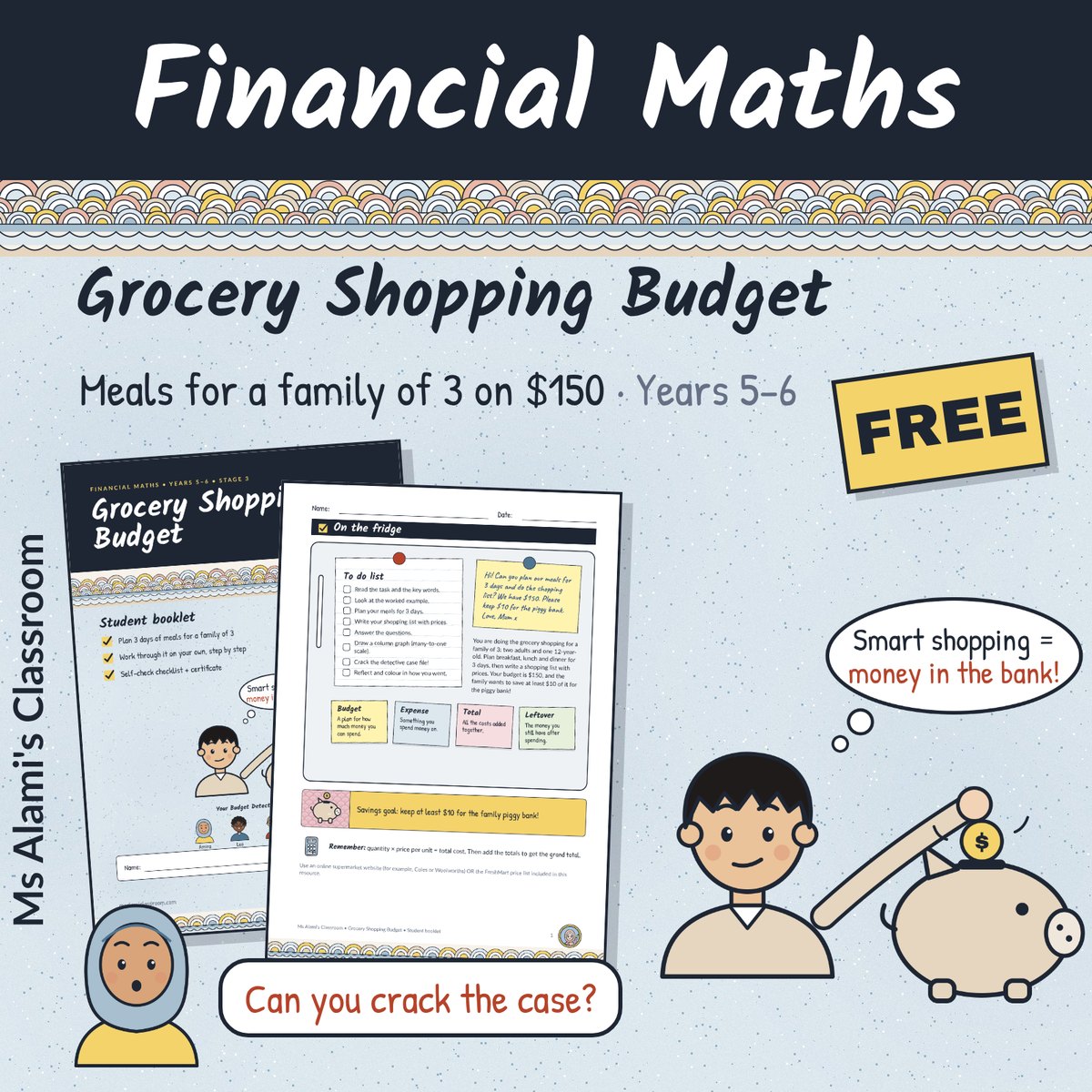
- Budgeting and money activities for Years 5–6
Money maths feels pointless when it's only pages of sums. Students need to make real choices with a limited budget and explain them.
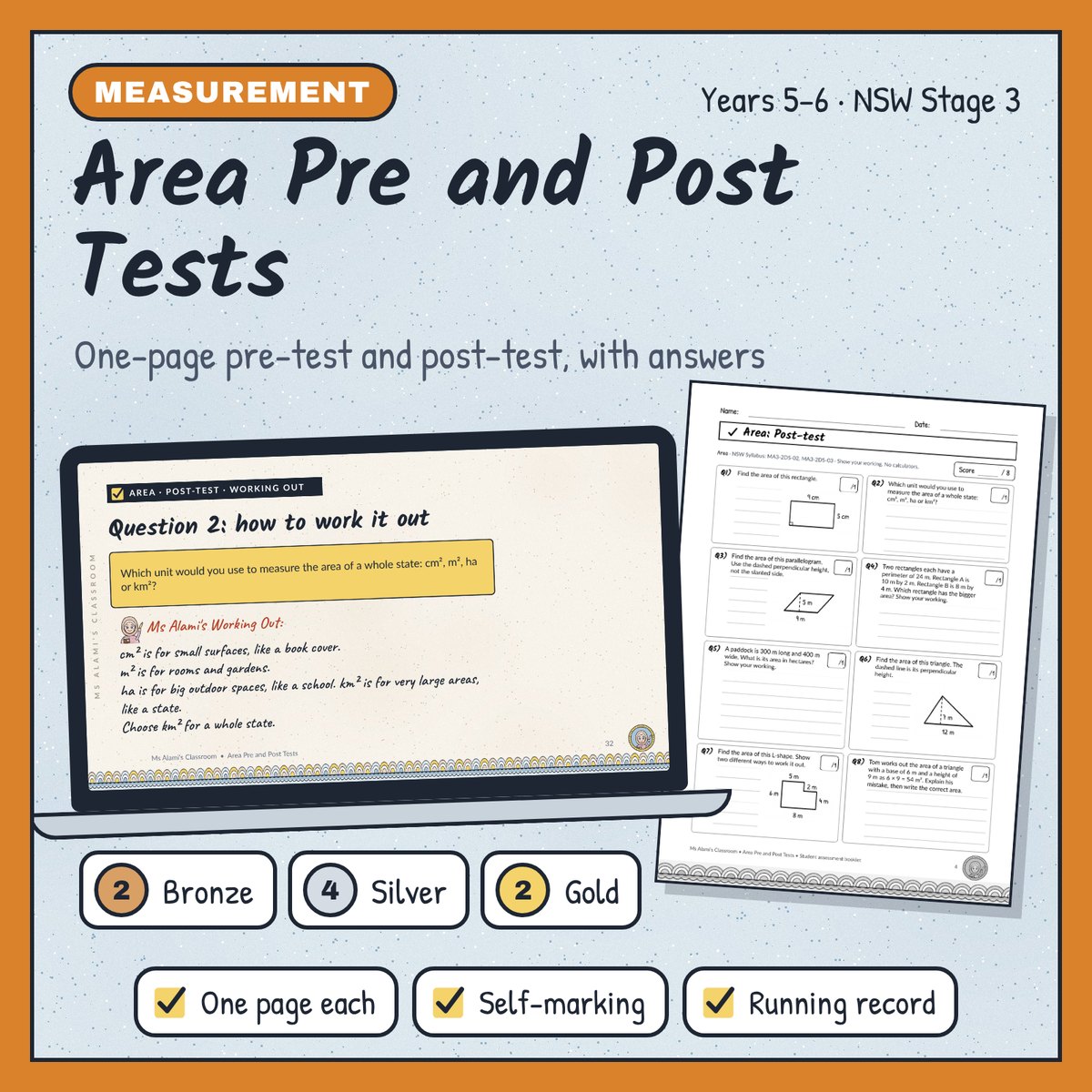
- Time and mass activities for Years 5–6
Students read 17:00 as seven o’clock, subtract times as if there were 100 minutes in an hour, misread the intervals on a scale and get conversions the wrong way round.
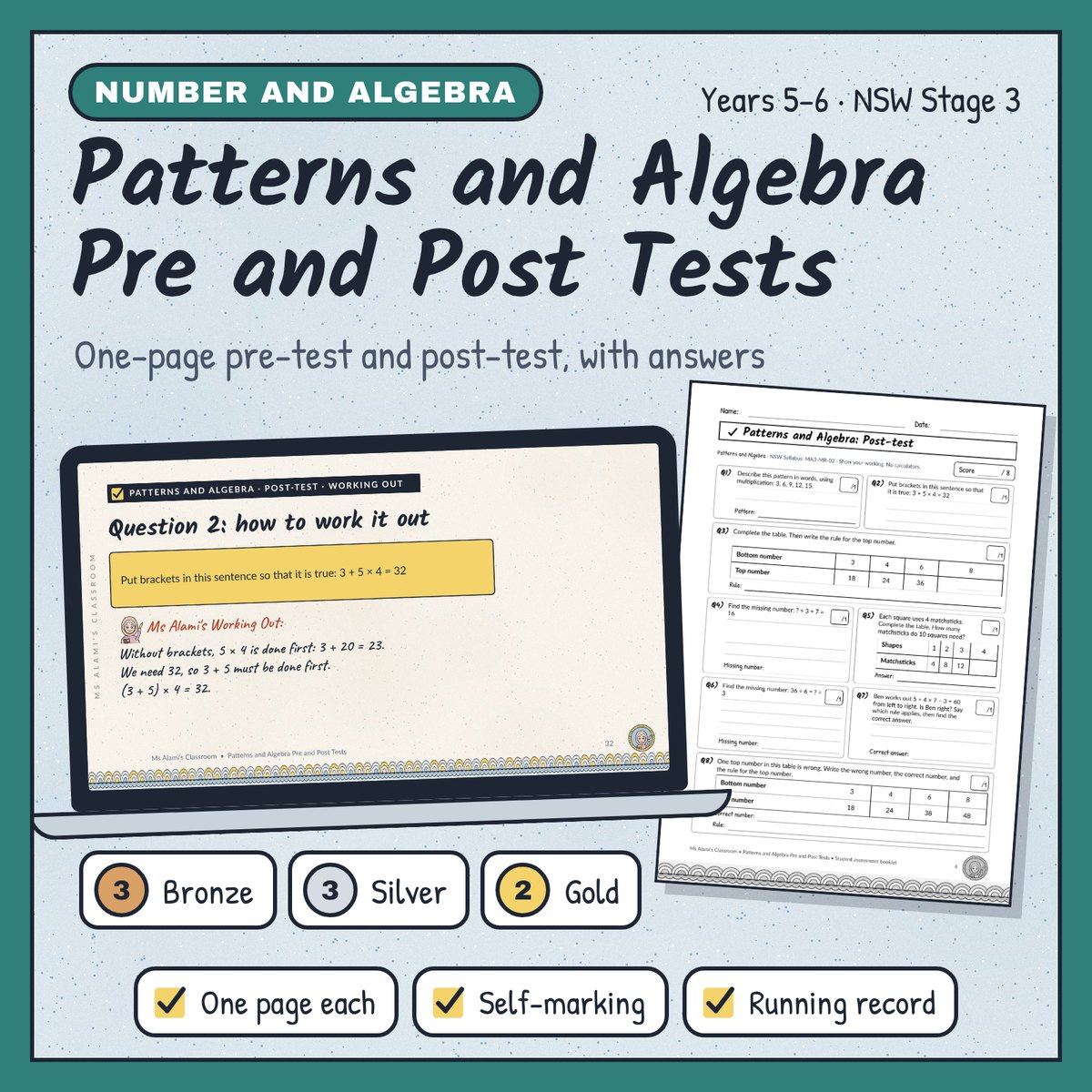
- Place value and the four operations for Years 5–6
Big numbers, strategies and remainders trip students up: they read 0 as nothing, line up the wrong digits, and don't know what to do with a remainder in a word problem.
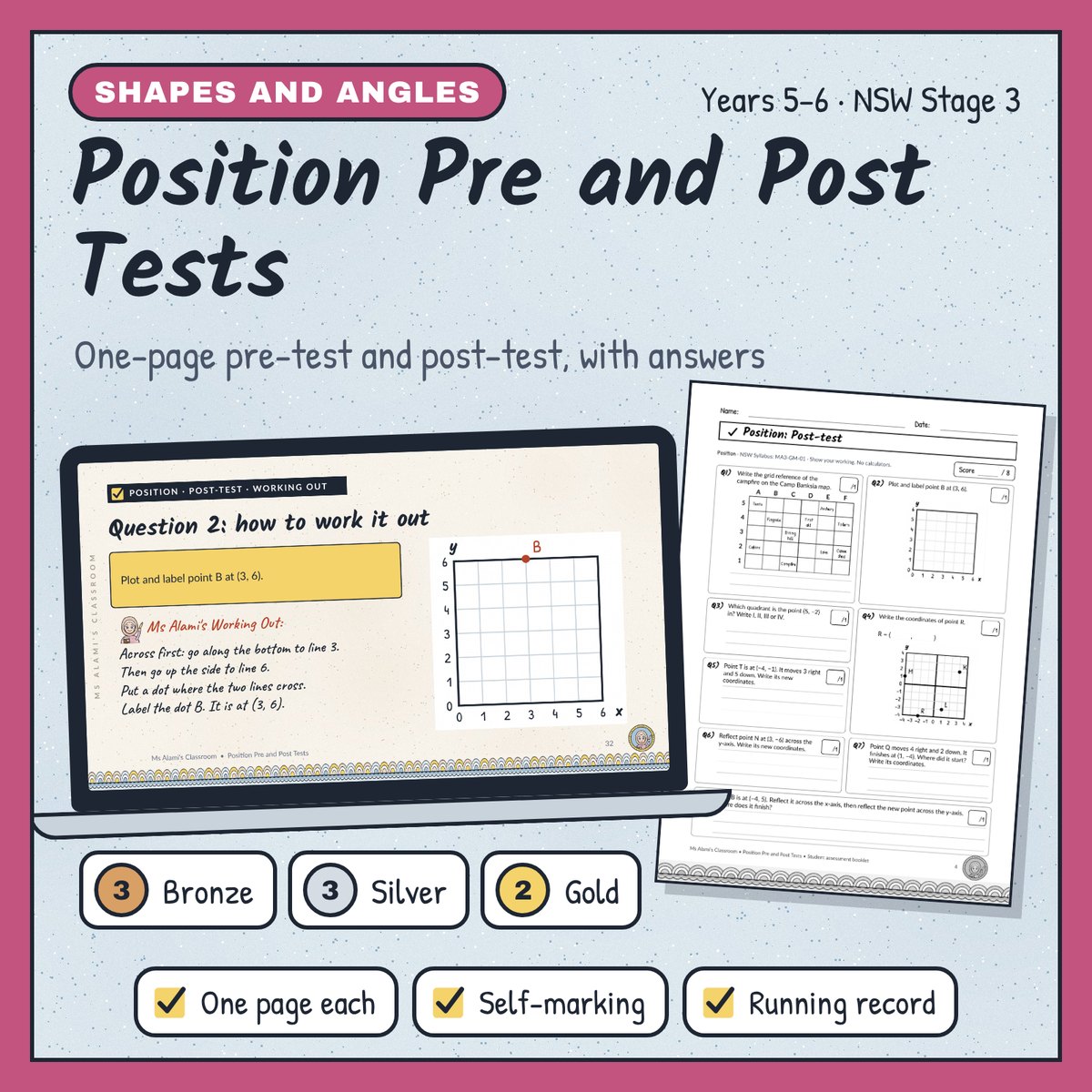
- Angles, shapes and transformations for Years 5–6
Protractors are tricky: students read the wrong scale and mix up acute and obtuse. Shape properties and transformations need hands-on practice, not just definitions.
- Maths pre and post tests for Years 5–6
End-of-unit tests run to pages, take a whole lesson to mark and still don't tell you who needs what. And when you teach mass in Term 2 and time in Term 4, one big test doesn't fit.
- Real-photo posters for ages 1 to 5
Most posters for little ones are busy: cartoon faces, borders and facts all on one page. A one-year-old does not know where to look, and a cartoon planet or apple looks nothing like the real one.